 Vafe Tours& Safaris
Popular
All languages
No language found
Tanzania Dry Season vs Green Season: Which Is Better for Your Safari?
Tanzania's dry season (June-October) offers the easiest game viewing, while the green season (November-May) brings lush scenery, baby animals, birds and lower prices. Here is how to decide which suits you.
By Vafe Tours safari expertsArusha, Tanzania
Updated
3 min read
Tanzania is a year-round safari destination, but the experience changes with the seasons. Broadly, the year divides into the dry season from June to October and the green season from November to May, which includes the short rains, a warm drier spell around January and February, and the long rains. Neither is “better” – they are simply different. This guide compares them so you can choose the right time for your safari.
Looking for specific months? See our month-by-month guide to the best time to visit Tanzania.
The dry season (June – October)
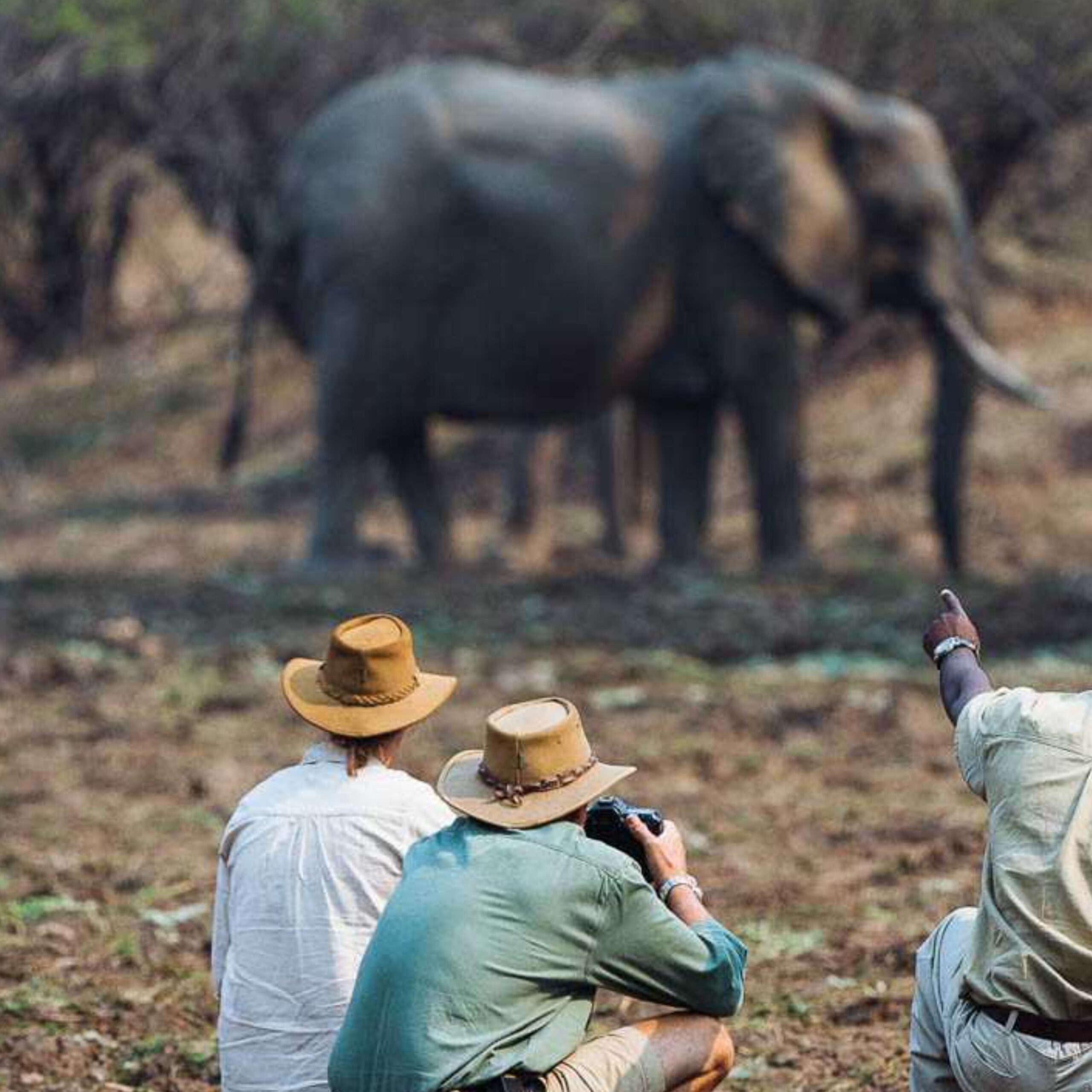
The dry season is the classic safari season and the most popular time to visit. Rain is rare in the northern parks, skies are clear and the bush thins out.
Advantages
- Easiest wildlife viewing: animals gather around rivers and waterholes and are easier to spot in short grass.
- Great Migration river crossings are often seen in the northern Serengeti from around July to October.
- Tarangire at its best: large elephant herds concentrate along the river.
- Comfortable weather: sunny days, cool mornings and few mosquitoes.
- Good roads and easy access to all areas.
Disadvantages
- Peak-season prices and lodges that fill up early.
- More vehicles at popular sightings.
- Dusty landscapes, especially late in the season.
The green season (November – May)
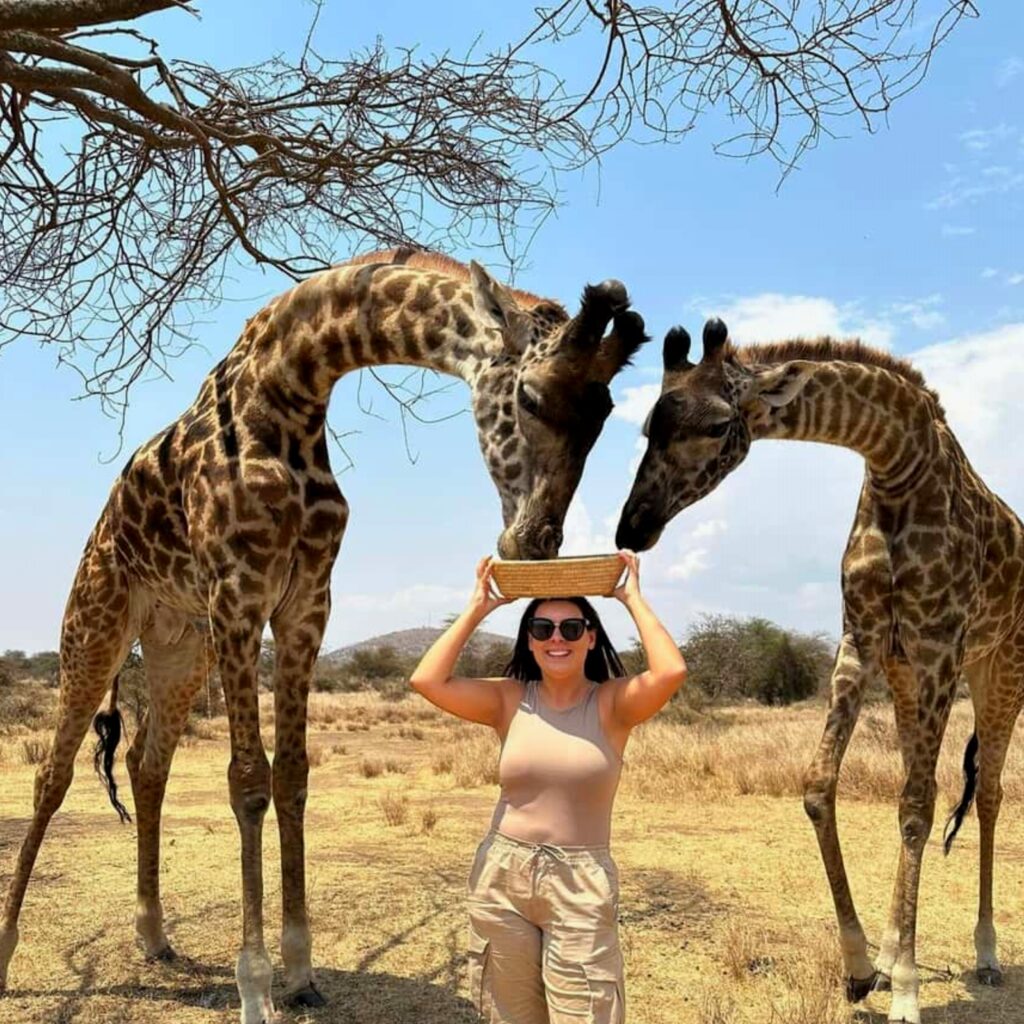
The green season is when the rains return and the landscapes come alive. It includes three distinct periods:
- Short rains (November – mid December): brief afternoon showers, fresh green grass and the herds returning south.
- Warm, drier spell (mid December – February): the calving season on the southern Serengeti plains, with excellent predator action.
- Long rains (March – May): the wettest period, usually heaviest in April, with lush scenery and the fewest visitors.
Advantages
- Lower prices and special offers at many lodges, especially in April and May.
- Fewer visitors and a more exclusive feel at sightings.
- Baby animals and the wildebeest calving season (peaking around February).
- Superb birdwatching as migratory birds arrive.
- Beautiful photography with green landscapes and dramatic skies.
Disadvantages
- Some roads become muddy and a few remote areas are harder to reach.
- Some seasonal camps close during the long rains.
- Taller grass can make some animals harder to spot.
- More mosquitoes – take malaria precautions seriously.
Dry season vs green season at a glance
| Dry season | Green season | |
|---|---|---|
| Months | June – October | November – May |
| Game viewing | Easiest, animals near water | Very good, with baby animals |
| Migration | Northern Serengeti, river crossings | Southern Serengeti, calving season |
| Scenery | Golden and dusty | Lush and green |
| Crowds | Busiest | Quieter |
| Prices | Highest | Lower, lowest in April-May |
| Birdwatching | Good | Excellent |
Which parks are best in each season?
- Serengeti: excellent all year – the north in the dry season, the south during calving.
- Ngorongoro Crater: rewarding in every season thanks to its resident wildlife.
- Tarangire: best in the dry season, when wildlife gathers along the river.
- Lake Manyara: good all year and especially beautiful for birds in the green season.
So which season should you choose?
- Choose the dry season if it is your first safari, you want the most reliable game viewing or you hope to see river crossings.
- Choose January – February for the calving season and predator action.
- Choose the green season if you are looking for value, fewer crowds, birds and photography – and don’t mind the occasional shower.
Whatever you decide, a private safari lets us adapt your route to conditions on the ground. Read how many days you need for a safari or explore our Tanzania safari packages.
Frequently asked questions
When is the dry season in Tanzania?
The main dry season runs from about June to October. It is the most popular time for safaris because wildlife gathers near water and is easier to see.
When is the green season in Tanzania?
The green season runs from about November to May. It includes the short rains, a warm drier spell around January and February, and the long rains from March to May.
Is the green season a good time for a safari?
Yes. It offers lush scenery, newborn animals, excellent birdwatching, fewer visitors and lower prices, although some roads can be muddy during the long rains.
When is the cheapest time for a Tanzania safari?
The long rains, usually April and May, typically offer the lowest prices.
Ready to start planning?
Tell us your travel dates, group size and wishes. Our Arusha-based safari experts will design a tailor-made itinerary and quote - free and with no obligation.
Related Tanzania travel guides

How Many Days Do You Need for a Tanzania Safari? Best Itineraries for First-Time Visitors
Read article →
When Is the Best Time to Visit Tanzania? A Complete Month-by-Month Travel Guide
Read article →