
Serengeti National Park Safari Guide
Endless golden plains, the Big Five and the Great Migration. Everything you need to know to plan a safari in Tanzania's most famous national park.
- Sizeapprox. 14,750 km²
- Best timeJune - October
- Ideal stay3 - 5 days
- Known forGreat Migration
Serengeti at a glance
Serengeti National Park is Tanzania's most iconic safari destination and one of the world's greatest wildlife sanctuaries. Covering approximately 14,750 square kilometres of open grassland, acacia savannah and riverine woodland, it is famous for its endless plains, outstanding predator sightings and the spectacular Great Migration.
The park forms the heart of the wider Serengeti ecosystem, which continues north into Kenya's Maasai Mara. Each year more than two million wildebeest, zebras and gazelles follow the rains in a great loop through this ecosystem, followed closely by lions, cheetahs, leopards and hyenas. Away from the herds, Serengeti remains rewarding all year, with resident wildlife, rocky kopjes and vast skies that make every game drive feel like a documentary.
Why visit Serengeti?
Witness the movement of the herds across the plains - from the calving season in the south to the river crossings in the north.
Serengeti is one of Africa's best places to watch lions, cheetahs and leopards hunting and raising their young.
Open horizons, granite kopjes and acacia-dotted plains create the classic African safari landscape.
Resident wildlife means great game viewing in every season - the migration simply adds extra drama.
Where is Serengeti located?
Serengeti lies in northern Tanzania, north-west of the Ngorongoro Conservation Area and stretching towards Lake Victoria in the west and the Kenyan border in the north. Most road safaris enter through Naabi Hill Gate in the south-east, after crossing the Ngorongoro highlands from Arusha.
- Arusha to central Serengeti: roughly 300 - 330 km, a full day's drive with wildlife stops
- Ngorongoro Crater to central Serengeti: around 135 - 140 km (about 3 - 3.5 hours)
- Scheduled light-aircraft flights land at airstrips such as Seronera in the centre of the park
- Distances and driving times are approximate and depend on road conditions and wildlife stops.
Top attractions and highlights in Serengeti
Seronera Valley
The central Serengeti, known for year-round resident wildlife and some of the most reliable big cat sightings in the park.
Southern plains & Ndutu
The short-grass plains where the wildebeest gather to give birth early in the year, attracting large numbers of predators.
Western Corridor & Grumeti River
Riverine forest and large crocodiles; the herds often pass through here on their journey north.
Northern Serengeti & Mara River
Wild, remote country famous for dramatic river crossings when the migration arrives.
Moru & Simba Kopjes
Granite outcrops rising from the plains - favourite lookouts for lions and great places to photograph.
Lobo area
A quieter region of hills and kopjes in the north-east with excellent scenery and fewer vehicles.


Wildlife and animals you can see in Serengeti
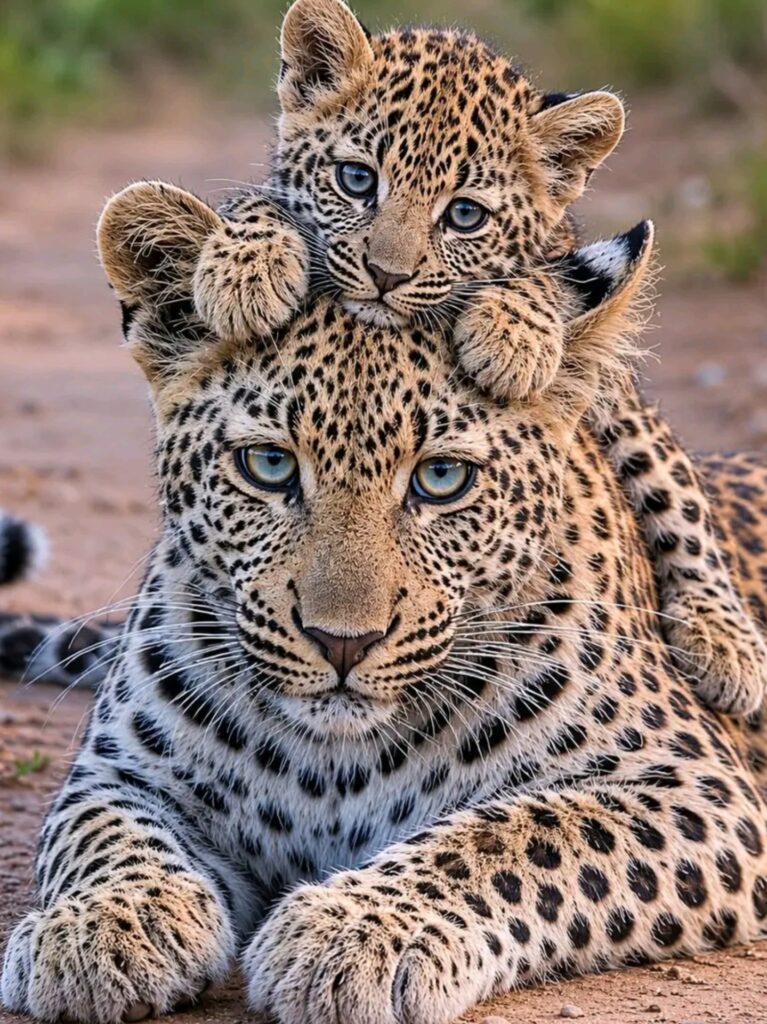
Serengeti supports one of the densest concentrations of large mammals on Earth. Alongside the migratory wildebeest, zebras and gazelles, the park is home to all members of the Big Five, although rhinos are rare and seen mainly in protected areas.
- Lion
- Leopard
- Cheetah
- Elephant
- Buffalo
- Black rhino (rare)
- Wildebeest
- Zebra
- Thomson's gazelle
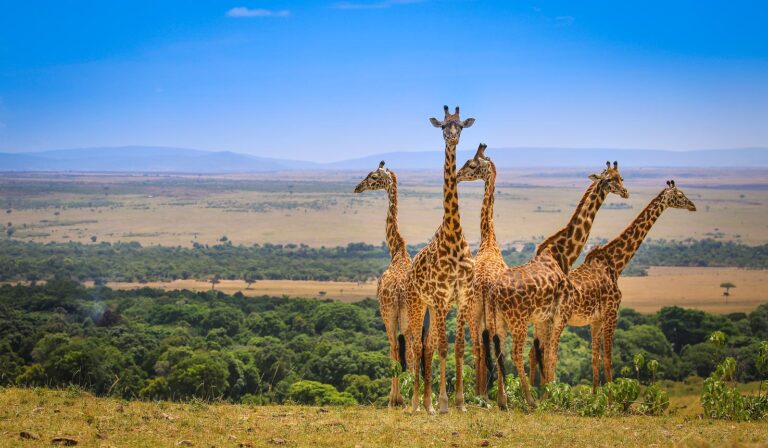
- Giraffe
- Spotted hyena
- Hippo
- Nile crocodile
- Topi
- Eland
- Serval
Birdwatching
With more than 500 recorded bird species, Serengeti is excellent for birdwatching, especially during the green season when migratory species arrive from Europe and Asia.
- Ostrich
- Secretary bird
- Kori bustard
- Grey-crowned crane
- Lilac-breasted roller
- Fischer's lovebird
- Martial eagle
- Vultures
Wildlife sightings are never guaranteed - animals move freely and every safari is different.
Best time to visit Serengeti
Every season offers something different. Here is what to expect through the year. For the bigger picture, read our guide to Tanzania's travel seasons.
January - March
Thousands of wildebeest calves are born each day on the southern plains. The abundance of newborns attracts lions, cheetahs and hyenas, creating exceptional wildlife viewing and photography.
April - May
The long rains turn Serengeti into a lush green paradise. Visitor numbers are lower and some roads can be muddy, but the landscapes and skies are dramatic.
June - October
The most popular time to visit. Dry weather and thinning grass make animals easier to spot, and the herds move north where river crossings may be seen.
November - December
Fresh grass returns, the herds begin moving south again and birdlife is very active. Fewer crowds and rewarding wildlife viewing.
Weather and climate
Serengeti has a pleasant savannah climate. Days are generally warm and sunny, while early mornings and evenings can feel cool, especially in open vehicles. Rain typically falls in two seasons - short rains around November and December and longer rains around March to May - usually as afternoon showers rather than all-day rain. The dry season from June to October brings clear skies and dusty plains.
Things to do and activities in Serengeti
Only activities available in and around the destination are listed. Some require separate permits and are arranged in advance.
Game drives
Morning, afternoon and full-day drives in a 4x4 safari vehicle with a pop-up roof - the main way to explore the park.
Hot air balloon safaris
Float over the plains at sunrise, followed by a bush breakfast. Available in selected areas of the park and best booked early.
Photography safaris
Golden light, big skies and predator action make Serengeti one of the world's top wildlife photography destinations.
Birdwatching
Over 500 species, from tiny bee-eaters to ostriches and birds of prey.
Guided walks
Short ranger-guided walks are offered in certain areas and by some camps - ask us which options fit your itinerary.
Safari experiences
Most travellers explore Serengeti on a private, guided road safari from Arusha, combined with Tarangire, Lake Manyara and the Ngorongoro Crater. If you are short on time, you can fly into the park and spend more days on game drives. We tailor each safari to your budget - from mid-range lodges to semi-luxury tented camps - and plan your route around the position of the migration in the month you travel.
Explore safari packagesWhere to stay in Serengeti
We match your accommodation to your travel style and budget, from mid-range lodges to semi-luxury tented camps.
Lodges
Comfortable lodges with restaurants and swimming pools, often in central Serengeti.
Tented camps
Permanent and mobile tented camps that bring you closer to nature, some following the migration.
Public & special campsites
Budget camping safaris with simple facilities inside the park.
How to get to Serengeti
The classic route runs from Arusha via Mto wa Mbu and the Ngorongoro highlands to Naabi Hill Gate. It is a long but scenic drive, so most itineraries break it with stops in Tarangire, Lake Manyara or Ngorongoro.
Daily scheduled light-aircraft flights connect Arusha and other parks with airstrips inside Serengeti, such as Seronera. Flying saves time and pairs well with a road safari in one direction.
How many days do you need?
We recommend 3 to 5 days in Serengeti. Two nights let you explore the central Seronera area; three or more nights allow you to follow the migration, visit a second region of the park and enjoy a balloon safari without rushing. Including Tarangire and Ngorongoro, a classic northern Tanzania safari usually lasts 5 to 8 days.
Book your adventureSerengeti park fees
Indicative non-resident adult rates including 18% VAT, as published for the 2025/26 season. Fees are set by the park authorities, can change without notice and differ for children, East African citizens and residents. Your Vafe Tours quote always lists the exact park fees.
Official information: Tanzania National Parks (TANAPA)
| Serengeti conservation fee | approx. US$82.60 per adult / 24 hours |
|---|---|
| Concession fee (nights inside the park) | charged per person per night, depends on accommodation |
| Ngorongoro Conservation Area transit | approx. US$70.80 per adult when driving through |
| Children under 5 | free |
Travel tips and what to pack
- Pack neutral-coloured clothing (khaki, beige, olive) and avoid dark blue or black, which attracts tsetse flies
- Bring a warm fleece or jacket for early-morning game drives
- Binoculars and a camera with a zoom lens make a big difference
- Sun hat, sunglasses and high-SPF sunscreen
- Book June - October and the calving season early, as camps fill quickly
- Talk to your doctor about malaria prevention and recommended vaccinations
More advice: 5 important things to do before travelling to Tanzania.
Cultural experiences
The Serengeti ecosystem borders the traditional lands of the Maasai. Many itineraries include a visit to a Maasai village in the Ngorongoro Conservation Area or near Mto wa Mbu, where you can learn about pastoral life, traditional homes and beadwork.
Family safaris
Serengeti is great for families with children who enjoy wildlife. We recommend lodges and camps that welcome children, shorter drives with plenty of breaks and private vehicles so you can travel at your own pace.
Honeymoon safaris
Sunrise balloon flights, private sundowners and romantic tented camps under the stars make Serengeti one of Africa's most memorable honeymoon destinations.
Frequently asked questions about Serengeti
Can't find your answer? Contact our safari experts - we're happy to help.
What is Serengeti National Park famous for?
Serengeti is famous for the Great Migration, one of the largest wildlife movements on Earth, as well as excellent Big Five safaris, vast savannah landscapes and high concentrations of predators.
When is the best time to visit Serengeti?
June to October is the most popular time thanks to dry weather and excellent game viewing. January to March is the calving season in the south, with superb predator action. Serengeti can be visited all year round.
Where is the Great Migration each month?
The herds follow the rains in a loop: the southern plains around December to March, the western and central areas around April to June, and the north from about July to October. Timing changes every year, so we plan your route based on the latest movements.
Can I see the Big Five in Serengeti?
Yes. Lions, leopards, elephants and buffaloes are seen regularly, while rhinos are rare and live mainly in protected areas, so sightings are not guaranteed.
How many days should I spend in Serengeti?
Most travellers spend three to five days in Serengeti, enough to explore different regions, enjoy multiple game drives and see a wide variety of wildlife.
How much are the Serengeti park fees?
For non-resident adults the conservation fee is approximately US$82.60 per 24 hours including VAT (2025/26). Fees can change, and your Vafe Tours quote lists all park fees clearly.
Safaris that visit Serengeti
5 Days Mid-Range Safari
Tarangire, Serengeti & NgorongoroFrom $1,050View details →

6 Days Semi-Luxury Northern Tanzania Safari
Tarangire, Serengeti & NgorongoroFrom $6,680View details →
Every Vafe Tours safari can be tailor-made. Tell us your dates and wishes and we'll build your perfect trip.
Customize your safariCombine Serengeti with other destinations
Serengeti combines perfectly with the Ngorongoro Crater on the way in or out, while Tarangire and Lake Manyara are ideal first stops after Arusha. See also 5 must-visit places in Tanzania.
Plan your Serengeti safari with Vafe Tours
Share your travel dates and preferences and our team will prepare a personalised itinerary and quote, free of charge and with no obligation.
- Tailor-made private safaris
- Experienced local guides
- Licensed operator based in Arusha