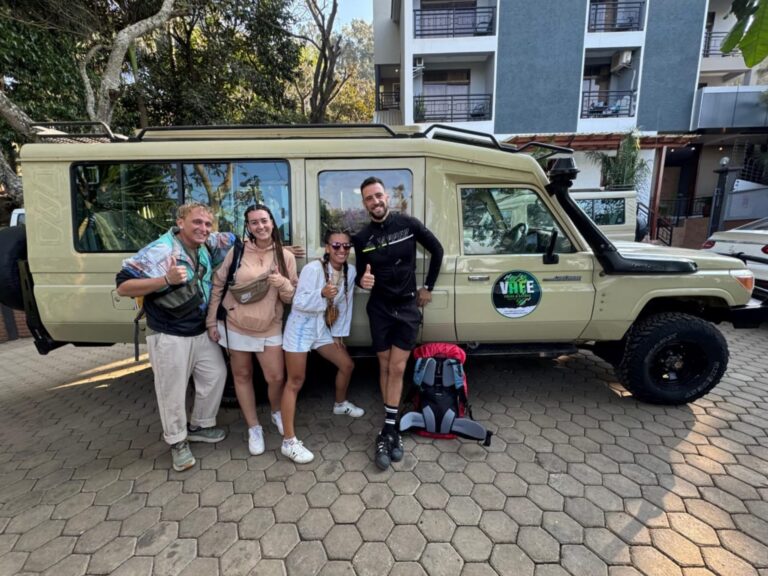
When Is the Best Time to Visit Tanzania? A Complete Month-by-Month Travel Guide
The best time to visit Tanzania for a safari is the dry season from June to October, but every month has something special - from the calving season in February to green-season birdwatching. Here is our month-by-month guide.
 By Vafe Tours safari expertsArusha, Tanzania
Updated
8 min read
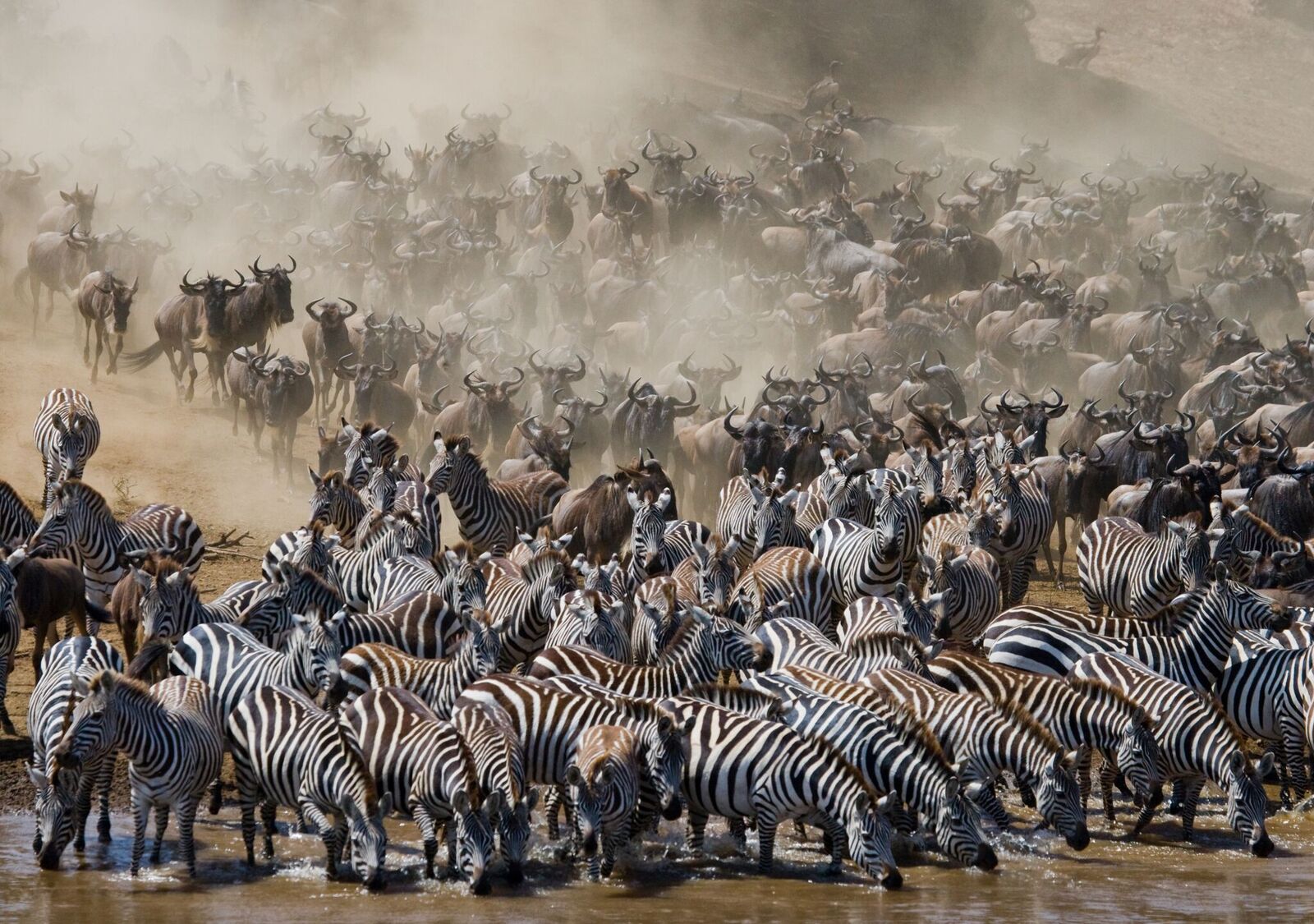
Quick answer: the best time to visit Tanzania for a classic wildlife safari is the dry season from June to October, when vegetation thins out, animals gather around water and game viewing is at its easiest. However, Tanzania is a true year-round destination. January and February are superb for the wildebeest calving season in the southern Serengeti, and the green months offer lush scenery, excellent birdwatching and lower prices.
The right month for you depends on what you want to see and do. This guide explains Tanzania’s seasons, then walks through the year month by month – including the Great Migration, Zanzibar and Kilimanjaro.
Tanzania’s seasons at a glance
Tanzania lies just south of the equator, so temperatures are fairly warm all year. Seasons are defined mostly by rainfall:
| Season | Months (approx.) | What to expect |
|---|---|---|
| Long dry season | June – October | Sunny days, cool mornings, easiest game viewing, peak season |
| Short rains | November – mid December | Short afternoon showers, green landscapes, fewer visitors |
| Short dry / green season | mid December – February | Warm, mostly dry, calving season in the Serengeti |
| Long rains | March – May | Heaviest rain (often April), lush scenery, lowest prices |
Rainfall varies from year to year and from region to region, so these are general patterns rather than exact dates. For a deeper comparison, read our guide to the dry season vs the green season.
Which month is best for a Tanzania safari?
If you want the most reliable all-round safari conditions, choose late June to September. For predator action and baby animals in the Serengeti, choose late January to February. For the best value with good wildlife, consider November, early December or June.
Tanzania month by month
January
Warm and mostly dry between the rains. The migration herds graze the short-grass plains of the southern Serengeti and Ndutu area, and calving begins. Excellent for photography and birdwatching, and a good time to climb Kilimanjaro. A popular month – book early.
February
The peak of the wildebeest calving season: thousands of calves are born on the southern plains, attracting lions, cheetahs and hyenas. One of the most exciting months for predator action. Weather is warm, with occasional showers.
March
The long rains usually begin during March. The southern Serengeti is still busy with the herds early in the month, landscapes are green and visitor numbers drop. Some lodges offer lower rates.
April
Typically the wettest month. Some roads become muddy and a few camps close, but the parks are lush and very quiet, and prices are at their lowest. Wildlife is still present – resident animals don’t leave – and the Ngorongoro Crater remains rewarding.
May
Rains ease towards the end of the month. The herds begin moving north-west through the central Serengeti. Green landscapes, dramatic skies and good-value travel.
June
The dry season begins. The herds are typically in the central and western Serengeti, and some years the wildebeest rut is in full swing. Pleasant temperatures and fresh landscapes make June a great-value shoulder month.
July
Peak safari season begins. Dry, sunny days with cool mornings and evenings. The migration often moves towards the northern Serengeti, where the first Mara River crossings may happen. Tarangire starts to fill with elephants gathering at the river.
August
One of the best months for game viewing across all northern parks. River crossings are often seen in the northern Serengeti. Expect more vehicles at popular sightings and higher prices – book well ahead.
September
Excellent wildlife viewing continues, with the herds usually in the far north. Tarangire and the Ngorongoro Crater are at their best. Slightly quieter than August.
October
Late dry season: dusty, hot afternoons and very good game viewing as animals concentrate near water. Herds may start to move south late in the month. A great month for Zanzibar too.
November
The short rains arrive, usually as brief afternoon storms. Landscapes turn green quickly, migratory birds arrive and the herds head back south. Fewer visitors and good rates.
December
Short rains ease and the herds return to the southern plains. A festive and popular period, especially around Christmas and New Year, when lodges fill early.
When is the Great Migration in Tanzania?
The Great Migration is a continuous, year-round movement of wildebeest, zebras and gazelles through the Serengeti ecosystem. A typical year looks like this:
- December – March: southern Serengeti and Ndutu; calving peaks around February.
- April – June: moving north-west through the central and western Serengeti.
- July – October: northern Serengeti, with Mara River crossings.
- November: heading south again with the short rains.
The timing depends on rainfall and changes every year, so we plan your route using the latest information. Learn more on our Serengeti National Park guide.
When is the best time to see the Big Five?
The dry season from June to October is generally the easiest time to see the Big Five – lion, leopard, elephant, buffalo and rhino – because the vegetation is thinner and animals gather near water. The Ngorongoro Crater offers one of the best chances in Tanzania to see all five in a single day at any time of year, including the rare black rhino. Sightings are never guaranteed.
Is Tanzania worth visiting during the rainy season?
Yes – especially if you are flexible. The green season (roughly November to May, with the heaviest rain around April) brings:
- Lush landscapes, dramatic skies and fewer vehicles at sightings
- Lower prices and special offers at many lodges
- Newborn animals and excellent birdwatching
Rain usually falls as afternoon showers rather than all day. The main downsides are muddy roads in some areas, a few seasonal camps closing in April and May, and taller grass that can make some animals harder to spot.
What is the weather like in June, July, August and September?
These are dry-season months with little or no rain in the northern parks. Days are sunny and pleasantly warm, while early mornings and evenings are cool – and genuinely cold on the Ngorongoro Crater rim, which is more than 2,000 metres above sea level. Pack warm layers for early game drives and a fleece for the evenings.
When is the best time to visit Zanzibar?
Zanzibar’s best beach weather is during the dry months from June to October and from mid-December to February, when it is hot and sunny. The long rains around April and May bring the most rain and humidity, and some resorts close. Zanzibar combines perfectly with a safari – see our guide to safari itineraries with a Zanzibar extension.

When is the best time to climb Kilimanjaro?
The best months to climb Mount Kilimanjaro are the drier periods from January to early March and June to October. The rainy months make trails slippery and views less reliable. If you prefer a shorter trek, consider our 6-day Mount Meru adventure.
Which months are best for photography and birdwatching?
- Photography: the green season (November-March) offers lush backgrounds, dramatic skies and clear air after rain, plus newborn animals. The dry season offers easier wildlife sightings and golden, dusty light.
- Birdwatching: November to April is best, when migratory birds from Europe and Asia arrive and many resident species are in breeding plumage. Lake Manyara and Tarangire are highlights.
How the seasons differ between destinations
- Serengeti: year-round wildlife; the area to visit depends on the migration.
- Ngorongoro Crater: excellent all year; cold mornings on the rim.
- Tarangire: best June to October, when wildlife concentrates along the river.
- Lake Manyara: good all year; green season is superb for birds.
- Zanzibar: best June-October and mid-December-February.
The best time to visit Tanzania by interest
| If you want… | Go in… | Where |
|---|---|---|
| Migration river crossings | July – October | Northern Serengeti |
| The calving season | January – February | Southern Serengeti / Ndutu |
| The Big Five | June – October (all year in the crater) | Ngorongoro Crater, Serengeti |
| Elephants | June – October | Tarangire |
| Birdwatching | November – April | Lake Manyara, Tarangire |
| Lower prices | April – May, November | All northern parks |
| Beach time | June – October, mid-Dec – Feb | Zanzibar |
| Climbing Kilimanjaro | January – early March, June – October | Kilimanjaro |
Travelling with children or on a honeymoon
Families often travel in July and August or over Christmas, which coincide with school holidays and excellent game viewing – book early, as family rooms are limited. The green-season months of January and February are another great option, with warm weather and lots of baby animals.
Honeymooners love June and September to October for dry, sunny safari days followed by perfect beach weather in Zanzibar. For a quieter, more exclusive experience at lower prices, consider November or early March.
What to pack for each season
- Dry season: warm layers for cold mornings and the crater rim, a dust-proof bag for your camera, sunglasses and lip balm.
- Green season: a lightweight waterproof jacket, quick-dry clothing, insect repellent and a cover for your camera.
- All year: neutral-coloured clothing, a sun hat, high-SPF sunscreen and binoculars.
For a full list, see our Tanzania travel checklist.
When should you book your safari?
For July to October and the Christmas holidays, we recommend booking six months or more in advance, especially if you want specific camps in the migration areas. For the green season, a few months’ notice is usually enough. Booking early also gives us time to plan your route around the expected position of the herds.
Conclusion
There is no bad time to visit Tanzania – only different experiences. Choose June to October for classic dry-season safaris, January-February for the calving season, and the green season for value, birds and fewer crowds. Tell us your dates and we’ll design the best possible route for that time of year.
Frequently asked questions
What is the best month to visit Tanzania?
For overall safari conditions, July to September is hard to beat. February is the best month for the calving season in the southern Serengeti, while June and November offer great value.
When is the Great Migration in Tanzania?
The migration is in Tanzania all year. The herds are usually in the southern Serengeti from December to March, the central and western Serengeti from April to June, and the northern Serengeti from July to October. Timing changes every year.
What is the rainy season in Tanzania?
The long rains usually fall from March to May, with April typically the wettest month. The short rains fall around November to mid-December, usually as brief afternoon showers.
Is it worth going on safari in the rainy season?
Yes, if you are flexible. You'll enjoy green landscapes, fewer vehicles, newborn animals and lower prices, though some roads can be muddy and a few camps close in April and May.
When is the best time to visit Zanzibar?
June to October and mid-December to February offer the best beach weather. April and May are the wettest months.
What is the weather like in Tanzania in July?
July is dry and sunny in the northern parks, with warm days and cool mornings and evenings. The Ngorongoro Crater rim can be cold, so pack warm layers.
Ready to start planning?
Tell us your travel dates, group size and wishes. Our Arusha-based safari experts will design a tailor-made itinerary and quote - free and with no obligation.
Related Tanzania travel guides

How Many Days Do You Need for a Tanzania Safari? Best Itineraries for First-Time Visitors
Read article →
How Much Does a Tanzania Safari Cost in 2027? A Complete Price Guide
Read article →